The Lost Art of Rest: Holy-days

As the holidays approach, I think it’s worth pausing and remembering what they were originally set aside for… Holy Days.
The word “holiday” comes from the Old English “holy day,” referring to days of observance, significance, and presence.
Days for rest.
Days for recalibration.
Days to remember how sacred life is.
Days to stop, breathe, and actually feel present instead of rushing through it.
Somewhere along the line, those built-in Holy Days were replaced with excessive gifts, events, obligations, noise, errands, shopping, and this constant pressure to keep “doing.”
I often reflect on a time when I was a teenager working at the local supermarket. Thursday nights and Saturday mornings were the extended trade hours that was it. Everything else was closed.
If you missed something, you waited.
If your favourite show aired on Thursday night, you waited a whole week for the next episode. You went to bed. You didn’t stay up scrolling because phones didn’t demand your attention every 30 seconds. And you definitely weren’t checking emails at 6 a.m. (yes, we’ve all done that now…). You even had to dial onto the internet, and that screeching modem noise woke the whole house.
Life had natural pauses. Built in rest moments. The world slowed down, so we did too.
Yes, I feel old saying “back in my day,” but truly… things were different.
Now?
We live in a 24/7 world.
Everything is open, available, immediate. Food, entertainment, emails, opinions and the expectation to be accessible to everyone at all times. Even though modern life feels convenient, our body and nervous system can’t keep up.
We are never truly OFF. The nervous system is always bracing for the next ping, the next message, the next task, the next “should.”
And the data reflects it. Anxiety is climbing.
Here in Australia, 17.2% of adults experienced a diagnosable anxiety disorder in the past year (ABS, 2024). Globally, anxiety disorders remain one of the biggest contributors to disease burden.
Our biology is designed for cycles of activation and recovery and we’ve forgotten the recovery part.

For most of human history, we lived according to dark and light, seasons, food availability, and community rhythms. Right up until the mid-1900s, evenings were quiet, Sundays were still, and children experienced boredom, and boredom was healthy. It created space for thinking, processing, creativity, emotional regulation, and resetting.
Those natural pauses are almost gone now.
We fill every gap with noise:
Entertainment, children’s sport and recreation, screens, multitasking, tasks, and constant stimulation.
But the nervous system still craves the old rhythm. It still heals best when there is space.
The nervous system is designed to move between two states:
Sympathetic activation: go, focus, move, respond
and
Para-sympathetic activation: digest, repair, reset, recover.
We need both, but modern life keeps us stuck in the “on” position far too much of the time.
When we create genuine pauses, real quiet, stillness, slower moments, the body finally shifts into its healing state. This is where cortisol settles, digestion improves, mood stabilises, inflammation reduces, and the brain has space to process, integrate, and restore balance.
And the science backs this up:
Quiet time strengthens memory and emotional regulation.
Grounding supports autonomic balance and sleep quality.
Silence changes brainwave activity and reduces stress load.
Parasympathetic activation regulates hormones, immunity, sleep cycles, and the body’s repair pathways.
One thing I notice in almost everyone now is how easily we get swept up in the pace that society and marketing companies have created the rush, the “more-more-more,” the comparison culture, the pressure to keep up, and the endless stream of gifts, events, and obligations that quietly replaced the original idea of Holy Days: gratitude, rest, reflection.
When we skip the rest part of the holiday rhythm, the brain’s default-mode network stays overstimulated. Instead of recalibrating, it keeps looping. That’s why so many of us feel wired, overwhelmed, emotionally overloaded, and strangely disconnected even during a season that’s meant to restore us.
We finish the year exhausted because we didn’t stop often enough.
Here are some simple, gentle invitations to bring back the rhythm:
• Schedule white space.
Write “nothing” in your calendar. Protect it.
• Reclaim slow rituals.
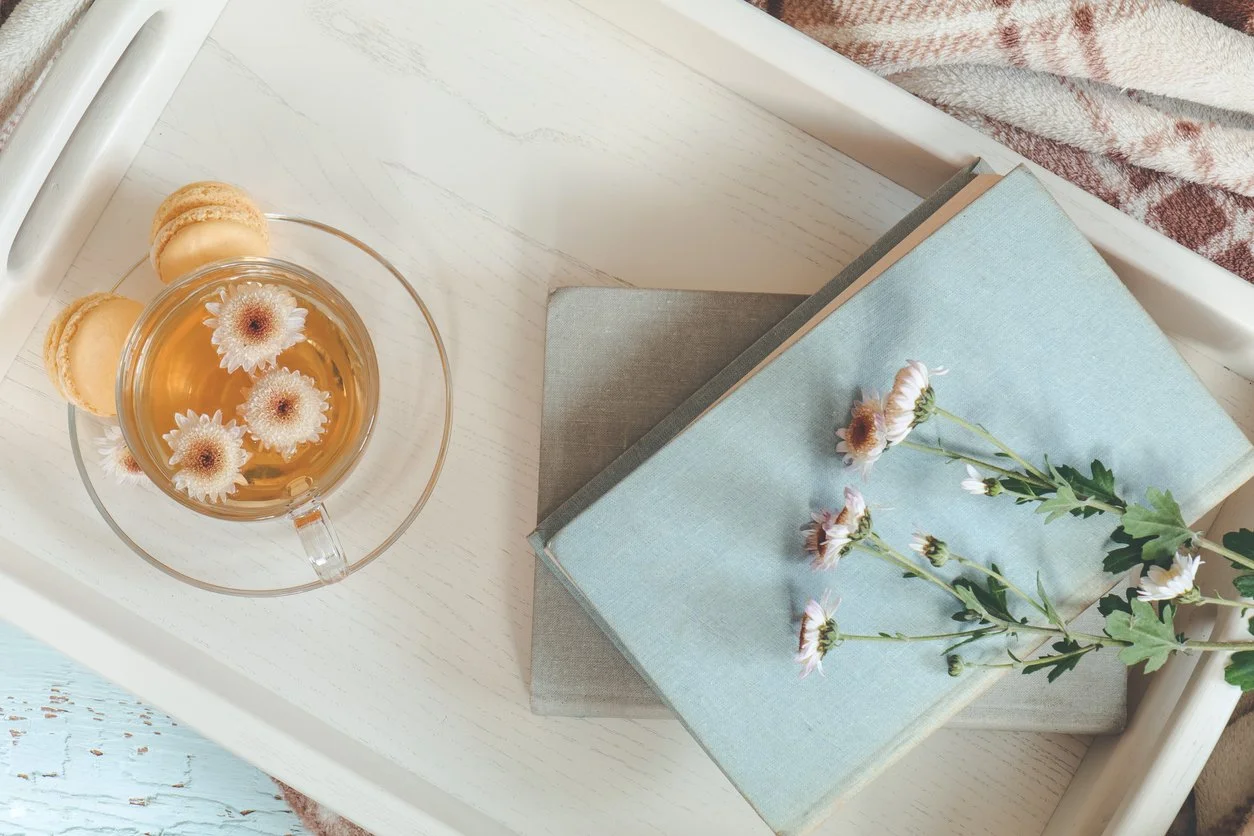
A quiet morning tea, a gentle walk, sunlight on your face, stretching without rushing.
• Give your brain “off-duty” time.
Phones away after 8 p.m.
No email before breakfast.
Tiny boundaries make huge shifts.
• Let nature regulate you.
Bare feet on grass, sand between your toes, ocean water, fresh air grounding truly helps recalibrate the nervous system.
• Guard silence.
Even five minutes of quiet can reset your internal landscape.
As you move into this season, and any season where life begins to feel full and fast, gently ask yourself:
“Where can I give myself permission to just be rather than constantly do?”
Health is deeply shaped by what we allow:
Space.
Pauses.
Quiet.
Breath.
Moments of nothing.
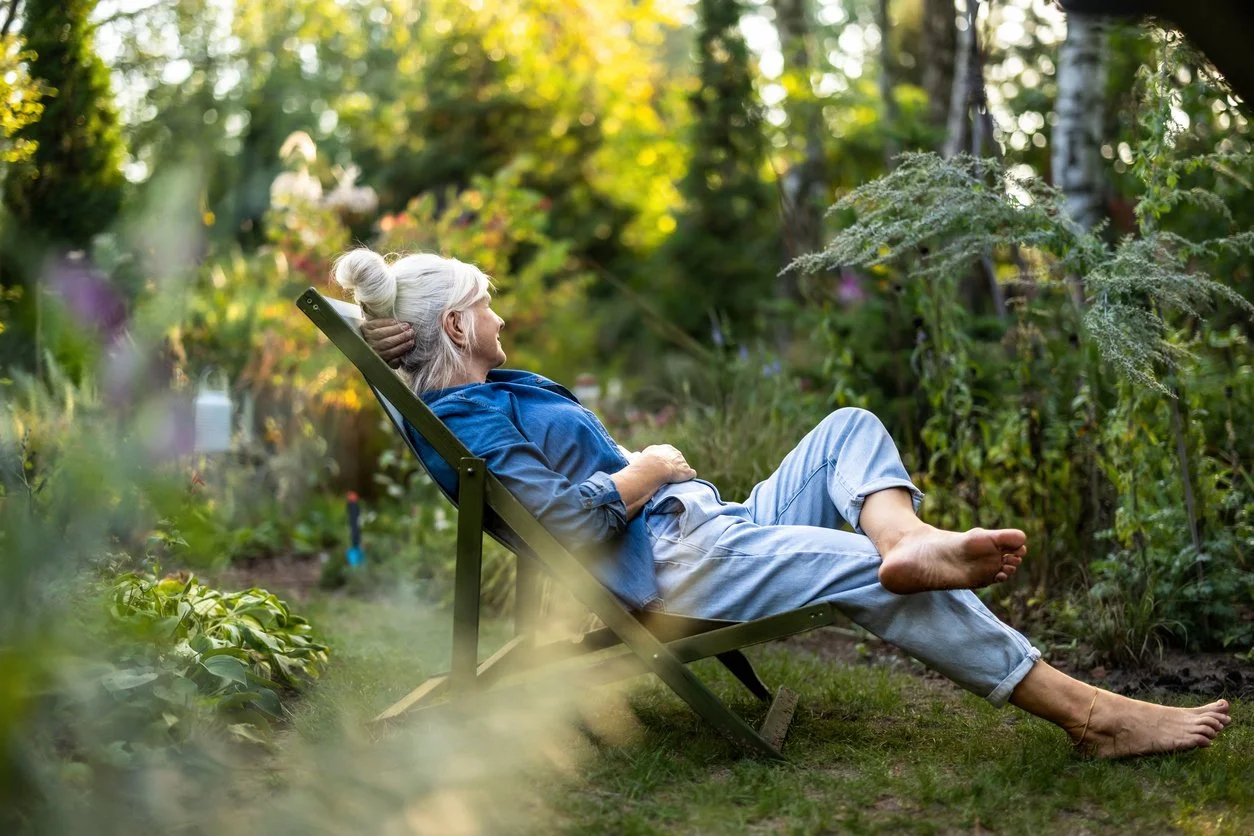
This ‘Holy Day’ season, instead of crowding your calendar, consider the most restorative choice you can make may be choosing not to fill the gaps. Provide your body with the room to heal, regulate, and come back to your centre.
Here’s to slowing down, settling inward, and letting your nervous system soften into the quieter rhythm it’s been craving all year.
in Health & Wellness,
Kylie Cloney.
Reference List
Australian Bureau of Statistics. National Study of Mental Health and Wellbeing, 2020–2022. Australian Bureau of Statistics; 2024. https://www.abs.gov.au/statistics/health/mental-health/national-study-mental-health-and-wellbeing/latest-release
Zhou S, et al. Global burden of anxiety disorders: A systematic review and updated meta-analysis. Middle East Current Psychiatry. 2023;30(1). https://mecp.springeropen.com/articles/10.1186/s43045-023-00315-3
Castillo-Hernández MC, et al. Effects of chronic stress on cortisol levels: A review of neuroendocrine mechanisms. Front Endocrinol. 2022. PubMed PMID: 36252422. https://pubmed.ncbi.nlm.nih.gov/36252422/
Martini M, et al. Wakeful rest boosts long-term memory consolidation: A meta-analysis. Psychonomic Bulletin & Review. 2025. https://link.springer.com/article/10.3758/s13423-025-02665-x
Lee MS, et al. Effects of grounding on sleep quality in patients with mild Alzheimer’s disease: A pilot study. Healthcare (Basel). 2022;10(3):581. PubMed PMID: 35565053. https://pubmed.ncbi.nlm.nih.gov/35565053/
Chevalier G, et al. The effects of grounding on human physiology: EEG, EMG, and autonomic changes. Explore (NY). 2019;15(6):434–441. PubMed PMID: 31860861. https://pubmed.ncbi.nlm.nih.gov/31860861/
Harmat L, et al. The effects of silence on stress markers and brainwave activity. Int J Environ Res Public Health. 2017. PubMed PMID: 29041703. https://pubmed.ncbi.nlm.nih.gov/29041703/